Eastern Kyoto: choose depth over the photo queue.
Higashiyama is the natural first encounter: hillside lanes, temple approaches, small shops and the visual language many travelers associate with Kyoto. Start with a major visit, then leave space for the walk between places. Kiyomizu-dera can be the anchor rather than one item in a long temple marathon.
Browse ceramics as objects to use, not only souvenirs to photograph. Compare weight, glaze, how a cup feels at the lip, and the maker’s explanation. A useful tea bowl or sake cup can be a more lasting purchase than another decorative trinket. Ask how fragile pieces will be packed, especially if more train journeys remain.
Gion is a living district. Stay out of private lanes and do not obstruct or pursue working geiko and maiko. A good evening might be one quiet walk and dinner, not a hunt for a person to photograph. Keep the busiest lanes as a part of Kyoto, not your complete impression of it.
Walk Higashiyama slowly
Historic lanes, temple approaches and useful ceramics; leave room between the landmarks.
One autumn night garden is enough to remember.
For 2026, Kiyomizu-dera lists autumn night viewing on November 21–30, with the gate open until 21:30 and admission closing at 21:00; its event page says no reservation is needed. Kodai-ji lists its autumn period from October 23–December 13, 2026. Recheck the temple’s own notice before going.
Pick the garden or setting that interests you, allow for a queue, and protect the evening from another timed commitment. “Last admission” is not a sensible arrival target if you want an unhurried visit. A daytime ticket and an evening opening can have different arrangements; confirm ticket and re-entry rules directly.
Night viewing is a planned event; peak leaves are not. Expect the visit to be about illuminated space, architecture and atmosphere, not a guaranteed photograph of a particular tree. Dress for standing outside after the sun is gone.
One autumn temple evening
Kiyomizu-dera or Kodai-ji: choose one setting, check its 2026 notice and enjoy it unhurriedly.
Arashiyama and Fushimi are different days or different priorities.
Arashiyama makes more sense as a western-Kyoto cluster than as a quick bamboo selfie followed by a cross-city sprint. Combine the river landscape, a garden or temple that interests you, and a meal nearby. The most famous path can be busy; a worthwhile district visit is broader than that path.
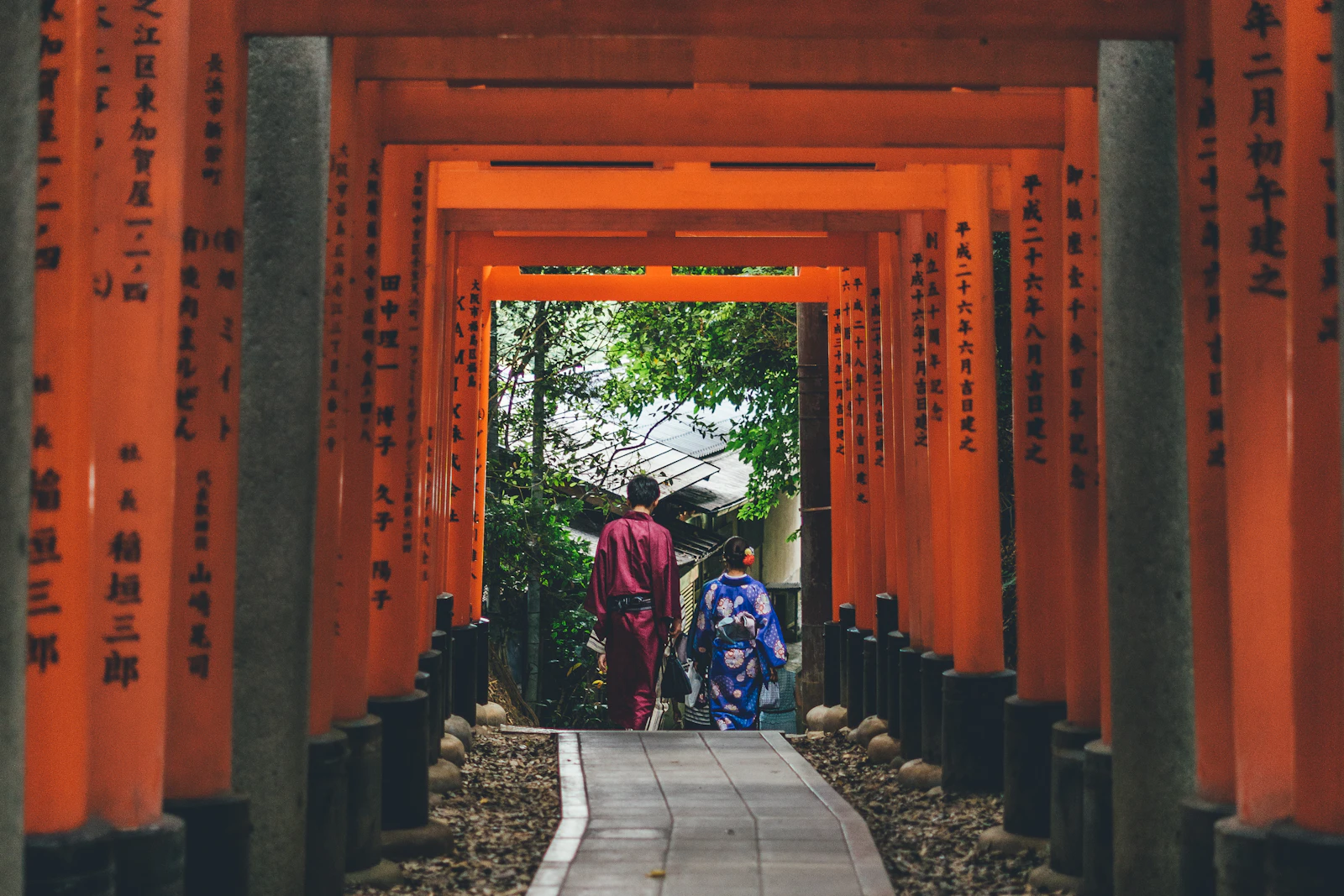
Fushimi Inari offers a very different kind of walking: shrine paths and vermilion gates on a wooded hillside. Decide how much walking you actually want, use appropriate shoes and follow the shrine’s current access guidance. You do not have to reach a prescribed summit to have a good visit.
Fushimi’s sake district is another possible focus, but do not assume every producer has a walk-in tour or English tasting. Choose and verify an operator before building the day around it. If your interest is simply tasting sake with dinner, you may not need a separate excursion at all.
Fushimi Inari, at your own pace
Torii-lined shrine paths; choose a comfortable walk rather than chasing a prescribed endpoint.
Downtown Kyoto: tea, craft, then a bar.
Teramachi, Gokomachi and the Kawaramachi area support a day of useful browsing without repeated long transfers. Balance the browsing with an actual sitting-down stop: a tea, a simple lunch, a chance to compare what you saw.
Ippodo’s Kyoto main store and Kaboku tearoom let you move from curiosity to a specific preference. Tell the staff how you will brew tea at home and what equipment you have. A tea that tastes wonderful in a carefully prepared service may need a little technique to reproduce. The official store page currently lists 10:00–17:00 and closure on the second Wednesday; check for special changes.
For a deliberate cocktail or Japanese-whisky evening, Bar Rocking Chair is a researched lead rather than a guaranteed available table. The official guest information lists a cover charge and additional tax; ask about the total rather than comparing only a pour price. Do not turn a drink into an excuse for an unnecessary cross-city journey.
Taste tea at Ippodo
Compare a tea you can brew at home; check the main store’s second-Wednesday closure.
A deliberate drink at Rocking Chair
A researched cocktail/whisky lead with a cover charge; verify the total and current seating arrangement.
Eat the quieter forms, too.
A seasonal kaiseki or kappo meal is one way to understand the city, but it should not crowd out everyday food. Look for obanzai, Kyoto vegetables, tofu and yuba, saba-zushi, tea and wagashi. The point is contrast: a formal sequence one day, a simple set meal the next.
At a tasting menu, communicate allergies and dislikes in advance. At a casual place, check how many dishes or drinks you are expected to order and whether there is a cover. An expensive meal is not the only “authentic” meal; a thoughtful ordinary lunch belongs in the story as much as a celebrated counter.
Make room for obanzai
Everyday Kyoto-style dishes alongside your formal meal; ask what is seasonal and how ordering works.