Build a route, not a scavenger hunt.
A useful first Kansai-focused journey can enter Tokyo, continue to Kyoto, settle into Osaka, and return to Tokyo before the international departure. Sakai and Kobe can be deliberate outings rather than extra accommodation moves. This is an editorial framework, not a booked itinerary or an instruction to follow the same sequence regardless of flights.
Keep Kyoto a real stay if its neighborhoods, gardens and evenings are the point. Commuting from Osaka can be practical for a targeted visit, but the daily transfer changes the experience. Conversely, you do not need a Kobe overnight to enjoy one excellent beef meal and a city walk.
The best route has slack around its most important experience. Avoid placing a prepaid workshop immediately after a long transfer. Keep a final airport-access buffer appropriate to your actual departure. Efficiency means avoiding fragile connections as much as it means avoiding distance.
The neighborhood is the unit of a day.
Choose one main geographic cluster for the morning and one compatible direction for later. A Kyoto day that tries to do Arashiyama, Fushimi Inari and eastern Higashiyama is mostly an exercise in transport. A Tokyo day with Harajuku, Asakusa and Ginza is possible, but it leaves little room for an unexpected shop or a leisurely lunch.
Use the city chapters to choose a lane. Make a short list of alternatives within that lane—a café, an indoor museum, another lunch—rather than a second complete itinerary on the other side of the city. Weather, appetite and energy can then change the day without destroying it.
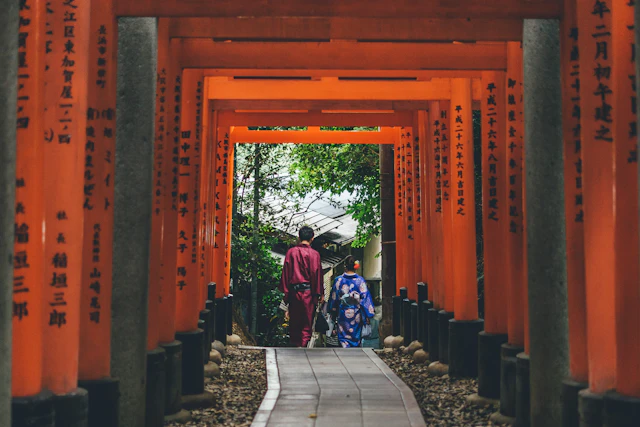
Kyoto
Gardens, quiet detail and meals that make more sense when you understand the season.
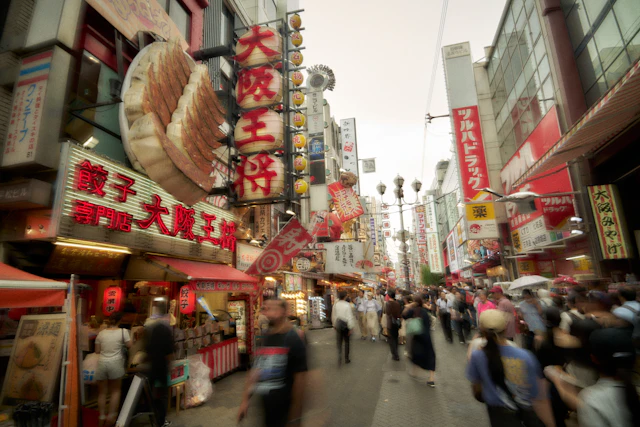
Osaka
One neon evening. Several neighborhood meals. No obligation to stop eating at three courses.
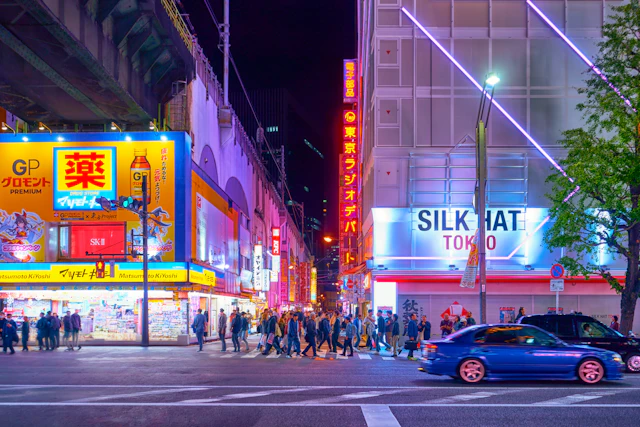
Tokyo
A short stay is a reason to choose well—not an invitation to sprint faster.
Sakai
Go beyond the blade on the shelf. Understand the decisions that make it yours.
Kobe
A precise beef order, a city walk, and enough restraint to enjoy both.